Breaking the Stigma Around Mental Health, especially for Men! (2026)
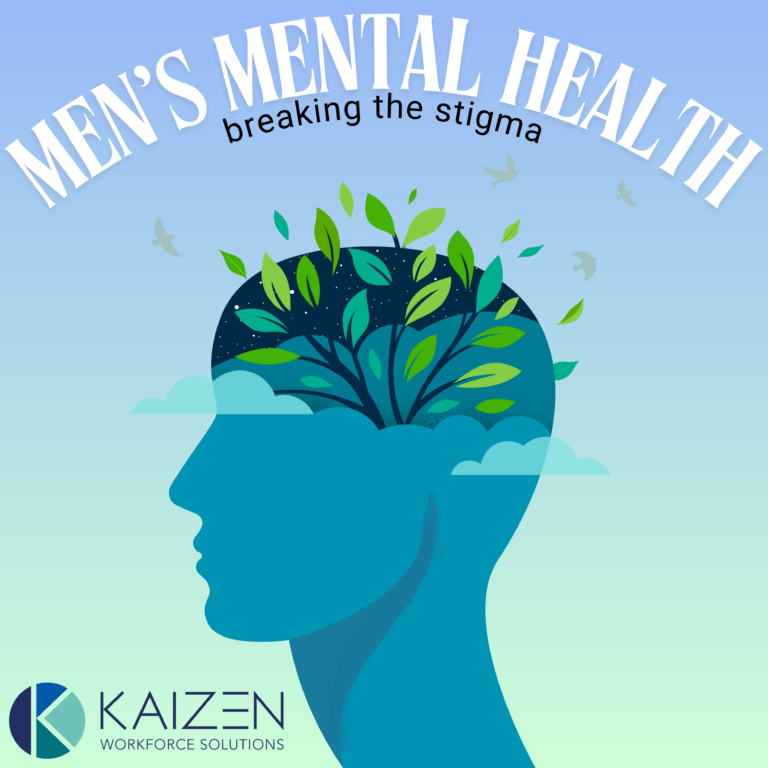
Mental health affects every part of our lives such as how we think, work, connect with others, and cope with challenges. Yet despite growing awareness, mental health still seems to be surrounded by stigma, misunderstanding, and silence.
For many people, admitting they are struggling can feel harder than the struggle itself.
The issue of Mental Health for Men can at times be challenging
For generations, many men were taught to “stay strong,” “man up,” or keep emotions hidden. Vulnerability was often treated as weakness rather than honesty. As a result, countless men learned to suffer quietly instead of seeking support. While society has made progress in talking more openly about mental wellbeing, there is still a long way to go in breaking the stigma that prevents many men from asking for help.
Stigma creates fear and shame around mental health struggles. People may worry they will be judged, seen as weak, or treated differently if they speak openly about anxiety, depression, stress, trauma, or loneliness.
When people feel unable to talk about what they are experiencing, they are less likely to seek professional help or even confide in someone they trust. Problems that could have been managed early can become overwhelming over time. Mental health challenges do not disappear simply because they are ignored, in many cases, they grow stronger in isolation.
Just as someone would seek treatment for a broken bone or physical illness, mental health deserves the same level of care, attention, and compassion.
The Unique Challenges Men Face
Men often experience mental health struggles differently because of some social expectations surrounding masculinity. Many grow up believing they must always appear confident, emotionally controlled, and self-reliant. While resilience is valuable, constant emotional suppression can be deeply harmful.
Instead of openly expressing sadness or anxiety, emotional pain in men may appear as:
- Anger or irritability
- Withdrawal from friends and family
- Risk-taking behaviour
- Substance abuse
- Overworking
- Emotional numbness
Because these signs are not always recognised as mental health struggles, many men go unsupported for years.
One of the most heartbreaking realities is that men account for a disproportionately high number of suicide deaths in many countries around the world. This highlights the urgent need for open conversations, accessible support systems, and cultural change not just at home, but in the workplace also!
Redefining Strength
One of the most important steps in breaking stigma is redefining what strength actually means.
Real strength is not pretending everything is fine when it is not. Strength is being honest enough to acknowledge pain, brave enough to ask for help, and willing to work toward healing.
Opening up about mental health should never be viewed as weakness. In fact, speaking openly often requires enormous courage. When men share their experiences, they not only help themselves but also encourage others to realize they are not alone.
Every conversation matters. Whether it is checking in on a friend, speaking honestly about stress, or encouraging someone to seek support, small actions can make a huge difference.
The Importance of Safe Spaces
Creating environments where people feel safe discussing mental health is essential. Families, schools, workplaces, sports teams, and communities all play a role in changing the culture around emotional wellbeing.
People should feel able to say:
- “I’m struggling.”
- “I’m overwhelmed.”
- “I need help.”
…..without fear of judgment or ridicule
Supportive conversations can save lives. Sometimes simply knowing someone is willing to listen can be the first step toward recovery.
The Role of Public Awareness
Public figures, athletes, musicians, organisations and corporations speaking openly about mental health has helped challenge old stereotypes. Campaigns focused on men’s mental health have encouraged more honest discussions and reminded people that mental health struggles can affect anyone, regardless of age, status, or background.
The more openly society talks about mental health, the more normal seeking help becomes.
Though awareness alone is not enough, it is an important beginning.
Breaking the stigma around mental health, especially male mental health, is not about encouraging weakness. It is about encouraging humanity.
Everyone experiences stress, pain, fear, and emotional challenges at different points in life. No one should feel ashamed for needing support. Mental health care should be treated with the same importance as physical health care.
Healing begins when silence ends.